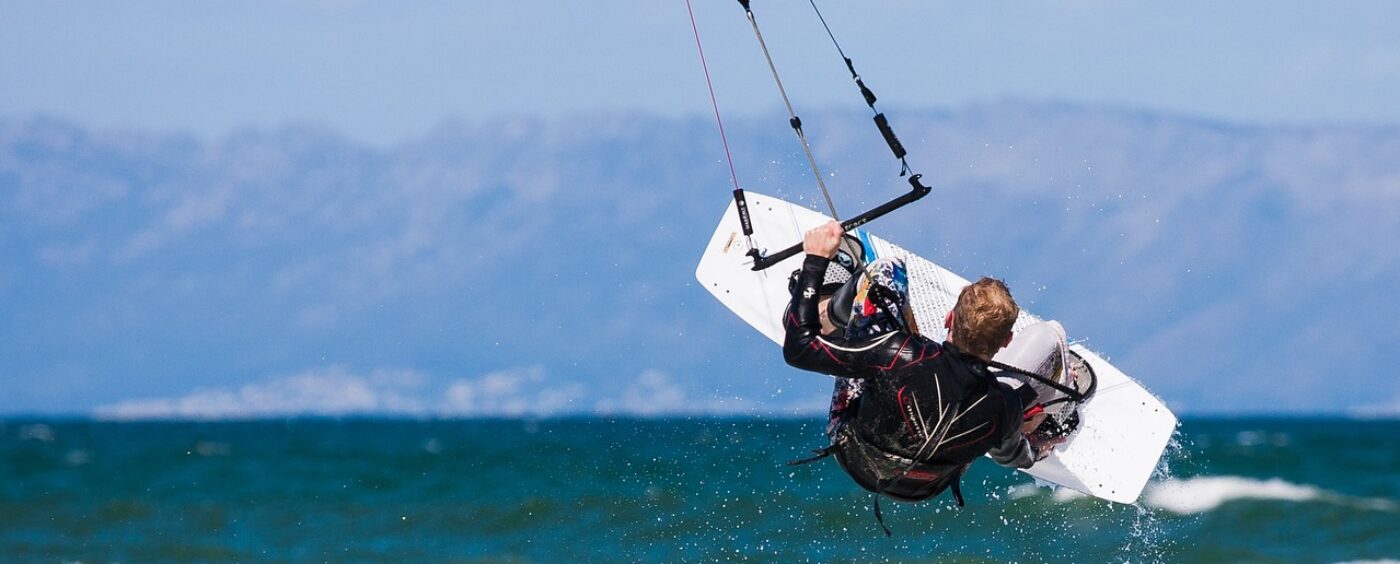
Kite surfing isn’t just a solo sport—it’s a community. When you’re out on the water, surrounded by other kite surfers, communication becomes essential. From hand signals to subtle kite movements, there’s a hidden language that allows kite surfers to connect, warn, and support each other without saying a word.
Article Sponsor: Parking Lot Striping Las Vegas
In this guide, we’ll dive into the secret language of kites, helping you understand and use non-verbal cues to communicate effectively on the water.

Why Communication Matters in Kite Surfing
While kite surfing is exhilarating, it’s also a sport that demands awareness and respect for others sharing the waves. Effective communication ensures:
- Safety: Clear signals help prevent collisions and misunderstandings, keeping you and others safe.
- Teamwork: Knowing how to communicate makes it easier to launch and land kites with the help of others.
- Enjoyment: When you understand each other, sessions run more smoothly, allowing everyone to enjoy their time on the water.
The Basics: Hand Signals Every Kite Surfer Should Know
Hand signals are universal in kite surfing, especially when the distance or noise makes shouting ineffective. Here are the essential ones to master:
- Launch Signal: To signal for a launch, raise one arm and give a thumbs-up or a wave, indicating to your partner that you’re ready for them to release the kite.
- Landing Signal: If you need to land your kite, point to the ground with your hand. Your landing partner will respond by catching the kite when you bring it down.
- Thumbs Up/Down: A thumbs-up means everything is okay, while a thumbs-down indicates there’s a problem or you need assistance.
- Stop Signal: Place your arm across your chest to signal “stop” to those around you. It’s often used when adjusting equipment or if an emergency arises.
- Wave to Get Attention: If you need to get someone’s attention in the water, a big wave above your head usually does the trick.
Kite Signals: Using Your Kite to Communicate on the Water
When you’re on the move, it’s not always possible to use hand signals. Here’s how to use your kite’s movements to communicate:
- Hovering at 12 O’clock: Holding your kite directly overhead is a neutral signal, often meaning “standby” or “give me a moment.” It’s useful when pausing or waiting your turn.
- Quick Kite Dips: Dipping your kite from side to side is a common way to say hello or acknowledge another kite surfer. It’s a subtle way to recognize others on the water.
- Kite Low to One Side: Keeping your kite low to one side signals that you’re about to pass another surfer on that side, helping prevent any collisions.
- Looping for Attention: A quick kite loop can signal that you’re in trouble and need assistance. It’s a last-resort signal, so use it only when necessary to avoid confusion.
Passing Etiquette: Right of Way Rules for Smooth Sessions
Just like on the road, there are right-of-way rules in kite surfing that everyone should know:
- Port vs. Starboard: If two kite surfers are heading toward each other, the one with their kite on the right side (starboard) has the right of way. The other surfer should dip their kite low to pass underneath.
- Upwind Rider Priority: When overtaking, the rider closest to the wind (upwind) has priority. The downwind rider should dip their kite and pass beneath to avoid tangling.
- Clear the Launch and Landing Zones: Avoid lingering in designated launch and landing areas. This keeps them clear for others and helps prevent accidents.
- Avoid Crowding the Waves: If another rider is already on a wave, give them space and wait your turn. Respecting this rule enhances safety and promotes a friendly vibe.
Reading Body Language: Spotting Signals from Other Kite Surfers
Sometimes, a fellow kite surfer’s body language can tell you a lot. Here’s what to watch for:
- Tensed Posture: If someone appears tense or struggles to control their kite, give them extra space—they may be facing a technical issue or battling wind conditions.
- Body Turns and Head Movement: If another surfer turns their head toward you and makes eye contact, it often means they’re acknowledging your presence and preparing to adjust their path.
- Inverted Board or Dragging in the Water: If you spot someone lying on their back with their board inverted, it usually indicates they’ve wiped out and are getting ready to restart. Give them room to reset.
Emergency Signals: How to Call for Help
If you or another kite surfer experiences an emergency, there are clear signals everyone should know:
- Repeated Kite Loops: Looping your kite continuously signals distress. It’s a call for help, so if you see this, approach cautiously and assess the situation.
- Waving Arms Overhead: If someone waves both arms in an exaggerated motion, it indicates an emergency. Alert nearby surfers and, if needed, get help from shore.
- Flashing a Safety Whistle or Device: Many kiters carry safety whistles. A few loud blasts signal a need for immediate assistance, especially if visibility is low or the noise is drowned out by the wind.
Launching and Landing Protocol: The Dos and Don’ts
Launching and landing require teamwork and clear signals. Here’s how to keep it smooth:
- Use Direct Signals: Always use the launch and landing hand signals instead of shouting. Clear gestures prevent miscommunication.
- Check the Lines Before Launching: Quickly inspect your partner’s lines before releasing the kite to ensure they’re not tangled or twisted. This small step can prevent frustrating relaunches.
- Release When Ready: Once your partner signals they’re ready, release the kite gently and give a thumbs-up to confirm all is set.
The Language of the Wind
Kite surfing isn’t just about riding the waves—it’s about communicating effectively with those around you to create a safe, enjoyable experience for everyone. By mastering these hand and kite signals, respecting passing etiquette, and staying alert to body language, you can navigate the water like a true pro. So next time you’re out on the water, remember that every gesture, signal, and kite movement speaks a language that connects the kite surfing community. Embrace it, share it, and ride with confidence.
Thank you for visiting and reading our blog. We are glad you are here. If you have any questions or comments, please contact us today. We also ask that you visit our sponsor Las Vegas Parking Lot Striping.