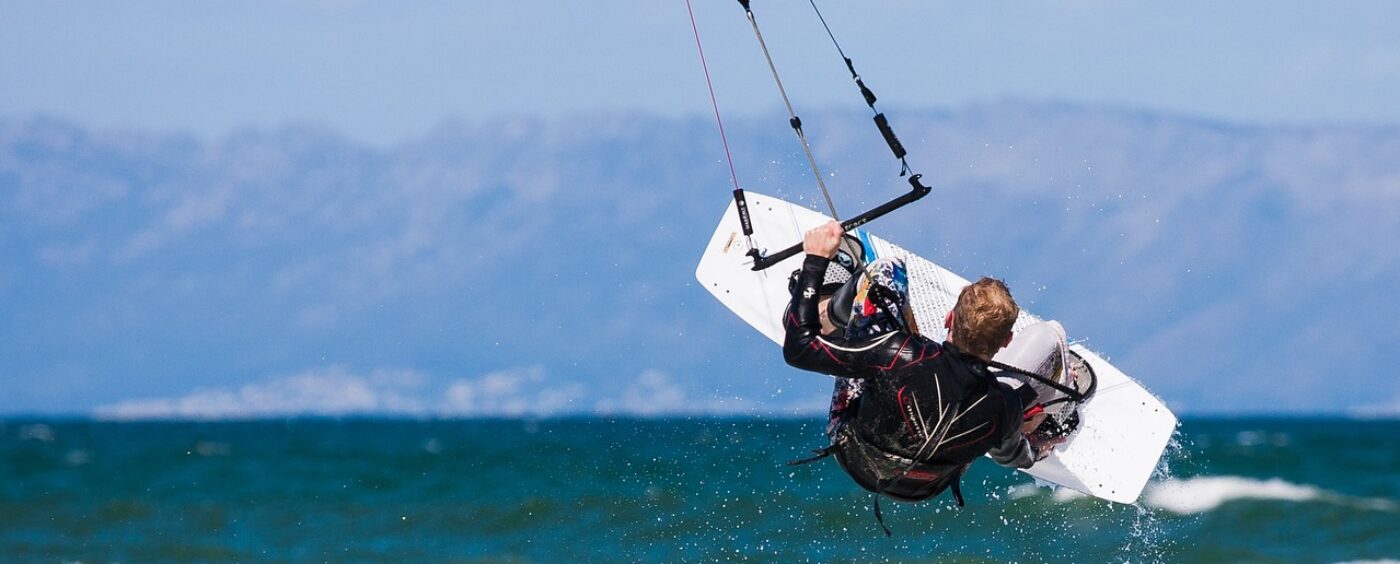
Kite surfing is thrilling, empowering, and often intimidating, especially for beginners. The combination of strong winds, powerful kites, and open water can make even the most adventurous spirits feel a little nervous.
Article Sponsored By: Parking Lot Striping San Diego
But here’s the secret: every seasoned kite surfer was once a beginner battling their fears. This article will help you turn anxiety into excitement, crash landings into stepping stones, and hesitation into unshakable confidence.
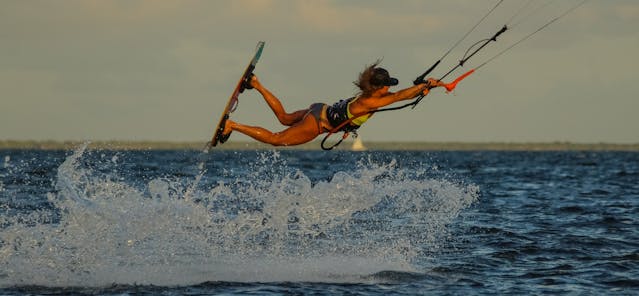
Why Fear is Part of the Journey
Fear is natural when learning something new, especially a sport that involves unpredictable elements like wind and water. Instead of letting fear hold you back, recognize it as part of the process:
- Keeps You Cautious: Fear reminds you to respect the elements and approach the sport with care.
- Signals Growth: Fear often arises when you’re stepping out of your comfort zone—a sign that you’re learning and progressing.
- Builds Resilience: Overcoming fear helps you develop mental toughness, which is essential for kite surfing and life in general.
Understanding the Common Fears of Kite Surfing
Identifying what scares you is the first step to overcoming it. Here are some common fears among kite surfers and how to address them:
- Fear of Losing Control
- The Fear: Getting dragged by the kite or losing control during a gust can feel overwhelming.
- How to Conquer It: Spend extra time on land practicing kite control. Learn to use the safety release system and practice self-rescue techniques so you’ll feel prepared for any scenario.
- Fear of Crashing the Kite
- The Fear: Worrying that your kite will crash into the water or another rider.
- How to Conquer It: Start in a quiet spot with plenty of open space. Focus on mastering kite movements at 12 o’clock before progressing to more advanced maneuvers.
- Fear of Deep Water
- The Fear: Being far from shore or unable to see what’s below can be intimidating.
- How to Conquer It: Start in shallow, clear water where you can stand and gradually move to deeper areas as your confidence grows. Consider using a buoyancy aid for extra reassurance.
- Fear of Looking Silly
- The Fear: Wiping out in front of others can feel embarrassing.
- How to Conquer It: Remember, every kite surfer has been there! The kite surfing community is generally supportive, and most people respect your effort more than your performance.
Building Confidence, One Session at a Time
Confidence isn’t something you magically wake up with—it’s built through practice, patience, and small victories. Here’s how to boost yours:
- Start Small
- Focus on Basics: Master flying the kite on land before hitting the water. The better your control, the less intimidating the transition will be.
- Set Manageable Goals: Instead of aiming to ride for miles, start with short rides, like gliding a few meters on the board.
- Celebrate Progress
- Acknowledge Milestones: Each achievement, no matter how small, is a step forward. Celebrate your first water start, your first ride, or even your first crash that didn’t shake your confidence.
- Keep a Journal: Document your progress to see how far you’ve come, even when you have setbacks.
- Ride with Supportive People
- Find a Mentor: Learning alongside an experienced kite surfer can boost your confidence. They can guide you through challenges and share their own stories of overcoming fear.
- Join a Community: Being part of a kite surfing group lets you learn from others and gain encouragement from shared experiences.
Techniques to Stay Calm in the Moment
When fear strikes in the middle of a session, staying calm is critical. Here are some tips to help you regain control:
- Breathe and Focus
Deep, steady breathing can help reduce panic and refocus your mind. Count your breaths if needed, and keep your eyes on the horizon to maintain balance. - Visualize Success
Picture yourself successfully completing the task at hand, whether it’s a smooth water start or a controlled kite landing. Visualization can trick your brain into feeling more confident. - Repeat Positive Mantras
Use phrases like “I’ve got this” or “One step at a time” to drown out negative thoughts and keep yourself motivated.
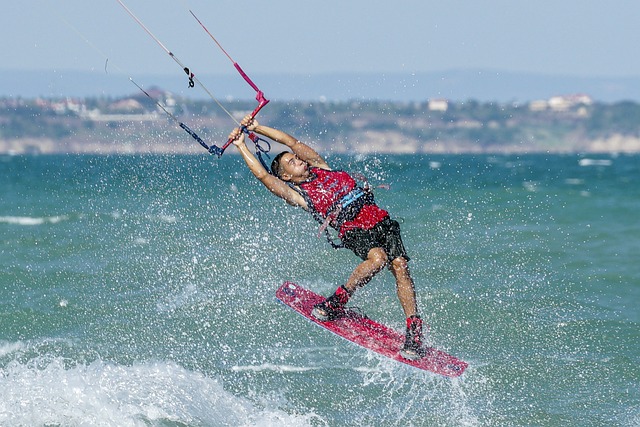
Turning Crashes into Lessons
Crashing is inevitable, but it doesn’t have to be a setback. In fact, it’s one of the best ways to learn:
- Deconstruct the Crash
- Ask yourself: What went wrong? Did I pull too hard on the bar? Was I misaligned with the wind? Identifying the cause helps you avoid repeating the same mistake.
- Learn to Laugh
- Crashes are part of the fun. Laughing at yourself makes the process less intimidating and keeps your spirits high.
- Try Again
- Get back up quickly. The sooner you try again, the less time fear has to take hold.
Building Resilience for Advanced Kite Surfing
As you progress, new challenges may arise, but so will your ability to handle them. Here’s how to stay resilient as you advance:
- Push Your Limits Gradually: Don’t rush into tricks or high winds. Take on challenges that are just outside your comfort zone to build confidence step by step.
- Embrace the Unknown: Each session brings new conditions, and that unpredictability is part of what makes kite surfing exciting. Learn to enjoy the adventure.
- Stay Humble: Even seasoned kite surfers face wipeouts and tough conditions. Resilience comes from knowing that setbacks are temporary and growth is ongoing.
From Fear to Freedom
Fear is a natural part of learning kite surfing, but it doesn’t have to define your journey. With preparation, patience, and practice, you can transform fear into confidence and resilience. Every crash, challenge, and small victory brings you closer to mastering not just the sport, but also yourself. So embrace the process, trust your abilities, and let the wind guide you to new heights.
Thank you for visiting our site. We hope you are enjoying the articles we have so far. If you have any comments or questions please contact us today. We also ask that you visit our sponsor San Diego Parking Lot Striping.